



Paintless Dent Repair
PDR vs. Traditional Repairs: What’s the Difference

FSDAVCFEBFEVSDDVFSD
FSDAVCFEBFEVSDDVFSD

FSDAVCFEBFEVSDDVFSD
Quick Comparison: PDR and Body Shops
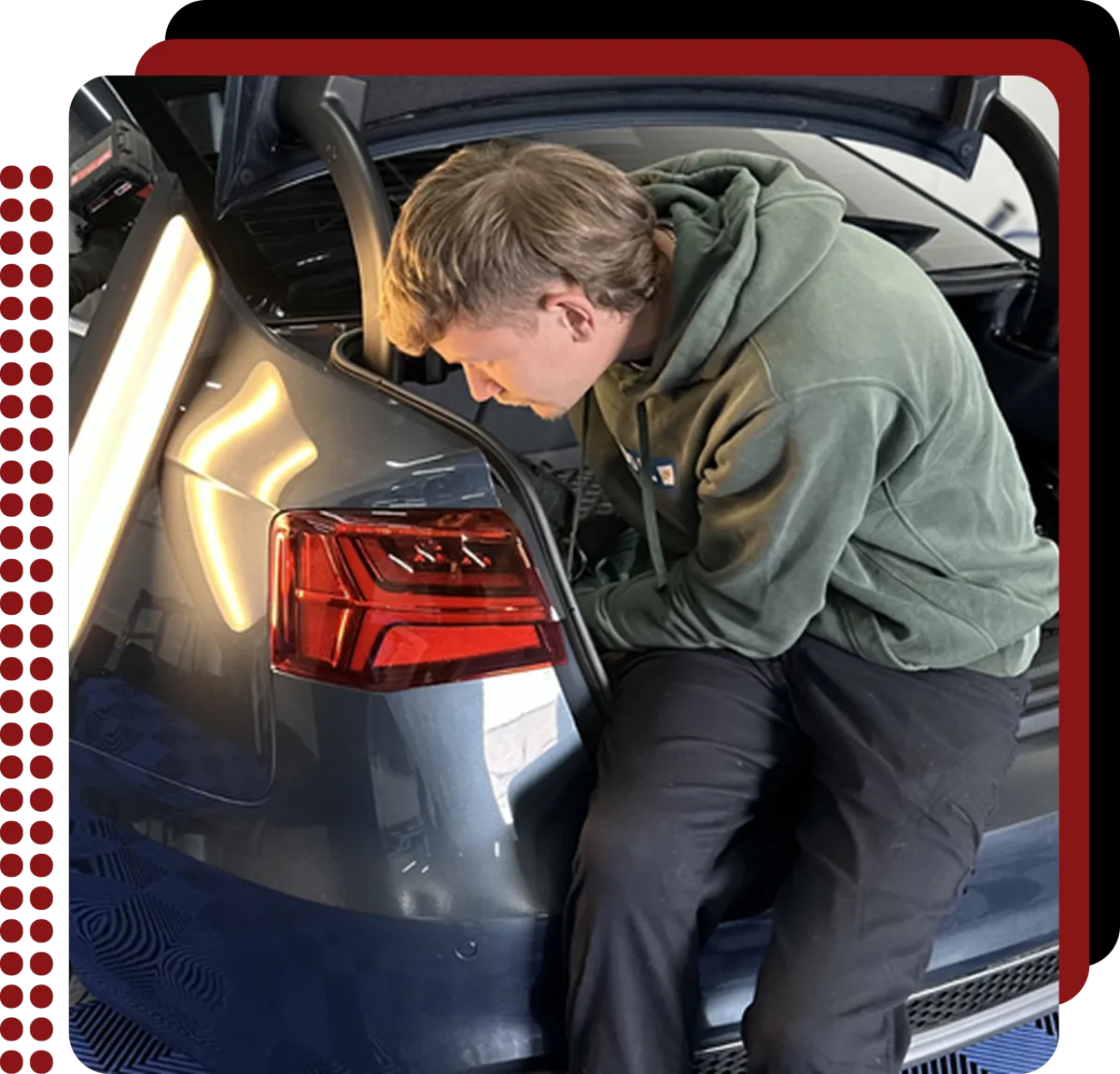
Deciding between PDR vs body shop work starts with one question: is the paint still intact? Paintless dent repair moves metal back into shape from behind the panel, so it’s dent repair without repainting. Traditional repairs usually involve sanding, filler, and paint blending. Both can look good, but they solve the problem in different ways and leave different footprints on your vehicle over the years.
Think of paintless dent repair vs body shop work as “reshape” versus “rebuild.” PDR uses controlled pushes and light reflection to erase door dings and many creases. A body shop dent repair process may straighten, fill, sand, prime, and repaint to hide damage. The right choice depends on dent depth, location, and whether the paint is cracked or already been repainted before you book repairs.
How Each Method Treats Paint and Metal
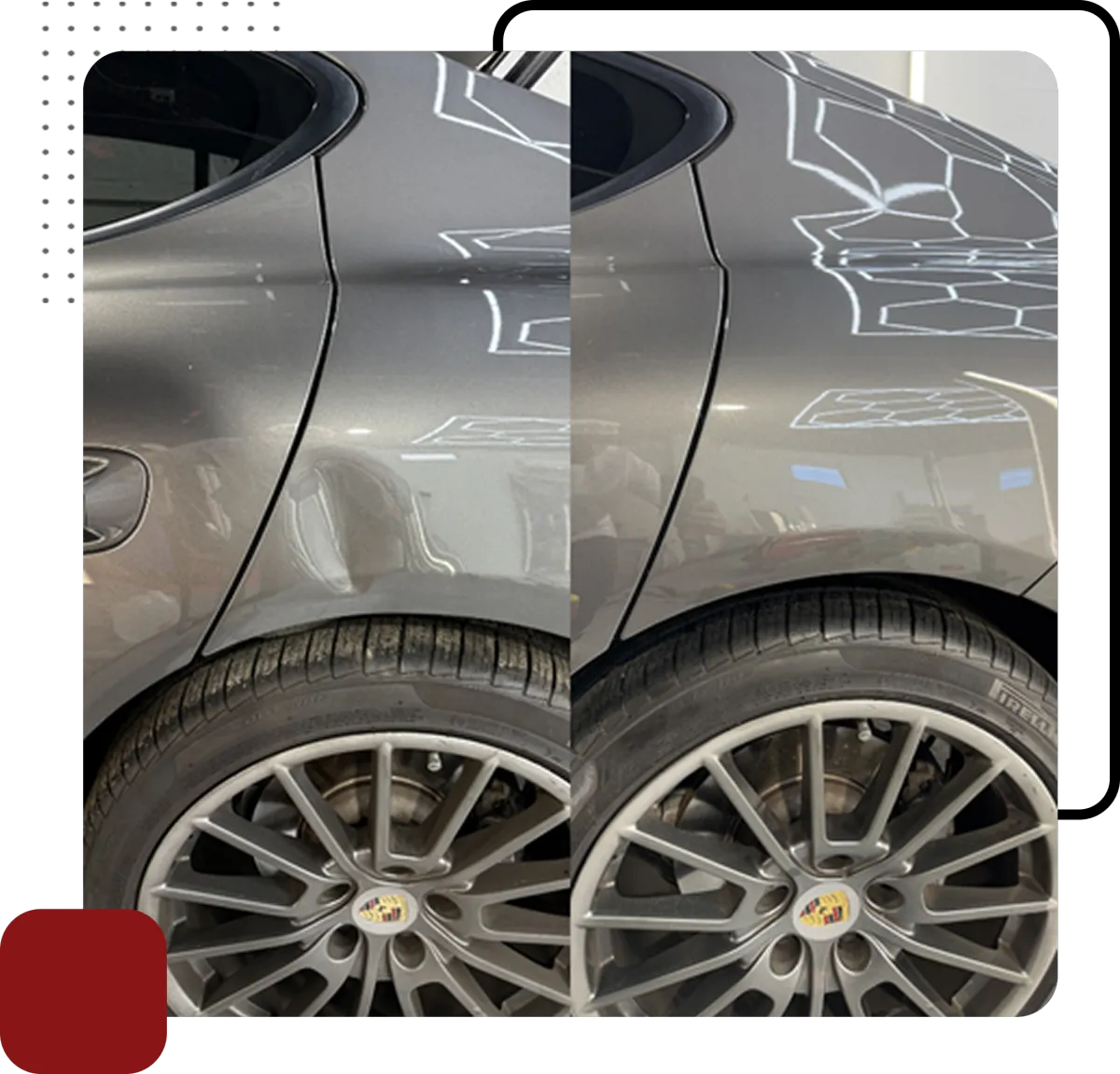
Traditional dent repair vs pdr differs most in what happens to your paint. With PDR, the finish stays on the car while the metal is massaged back to level. That’s why many people ask, does pdr preserve factory paint? In most cases, yes, when the clear coat isn’t cracked and the panel isn’t torn and the dent is not sharp.
In a body shop, the goal is often to rebuild the surface. Technicians may pull the metal, apply filler and repaint dent repair areas, then sand and blend color into nearby panels. Done well, it can look factory, but it changes the original finish and can take days. This is the core tradeoff in pdr compared to repainting.
When to choose paintless dent repair comes down to damage type. Door dings, hail dents, and many body line dents qualify if access is possible and paint is sound. If the dent sits on an edge, the metal is stretched, or the paint is broken, traditional repair may be safer. A quick inspection helps set expectations and prices.
Body Shop Dent Repair Process Step by Step
The body shop dent repair process usually starts with disassembly and a rough pull. Trim may come off so techs can reach the panel and check hidden bends. Then they shape the metal close to level, but not perfect. The last part happens with filler, sanding, primer, and paint blend to hide the remaining low spots completely.
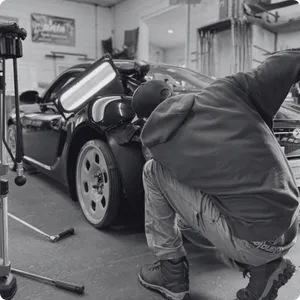
With PDR, the steps are shorter and focused. A technician sets a light, reads the dent, and chooses the tip and leverage point. Small pushes raise the low area, and tap-down tools flatten highs. These paintless dent repair techniques aim to match factory texture, not cover it. It’s dent repair without repainting on intact paint.
For either route, a proper dent repair estimate should mention dent size, location, and paint condition. The factors that affect dent repair price include access, body lines, aluminum panels, and dent count. If the dent is too sharp for PDR, some shops use push-to-paint to reduce filler. You’ll still pay for skill, but the finish can look better.
If your main goal is dent repair without repainting, ask whether the paint is original and flexible. PDR can be a fast fix for door dings and many hail dents, but it still needs access and careful blending. Traditional repairs can handle deeper damage, yet they often require shop scheduling, curing time, and color matching. When comparing paintless dent repair vs traditional repair, think about how long you can be without the car at all.
Some dents fall in the middle. A shop may suggest a push-first approach so the panel is mostly straight, then a thin skim of filler is used before paint. That’s not the same as full filler and repaint dent repair, and it can reduce labor. Ask what finish you can expect, and whether the repair will keep factory edges and body lines. A clear plan beats a rushed quote every time for your car budget.
When PDR Beats Filler and Repaint
Paintless dent repair vs body shop work is an easy call when the dent is shallow and the paint is unbroken. Door dings on flat door skins, small fender dents, and many hail hits are prime. In these cases, PDR compared to repainting saves time, avoids blend lines, and keeps the panel original with no sanding or filler.
Traditional dent repair vs pdr often wins when the metal is sharply creased, stretched, or torn. If the dent sits on an edge, the paint is cracked, or corrosion has started, paint work may be required. This is where push to paint can help: it reduces distortion first, then paint finishes the job with less filler and rework.
Not sure when to choose paintless dent repair? Ask a tech to show the dent under a light and explain access. The evaluation covers paint condition, the panel’s curve, and how many dents are present. If PDR is possible, the repair is faster. If not, you’ll know why and what the next step costs before you commit to anything.
Costs, Time, and Value After Repairs
Price is usually the first comparison point. PDR cost is tied to time, access, and finish quality, not paint materials. A body shop quote includes labor plus primer, paint, and blending. Ask what is included so you can compare fairly and avoid charges later on.
Time matters just as much. PDR is often same-day because there’s no cure. Traditional repairs can require multiple stages, plus waiting for a paint booth slot. If you need a rental car, that cost adds up, even when insurance helps paper delays hit your schedule.
Value is the last piece. Does PDR preserve factory paint? When it works, yes, and that can matter for resale and leases. Repainting can be done well, but it changes originality. Choose the method that fits the damage and your goals for time and cost.
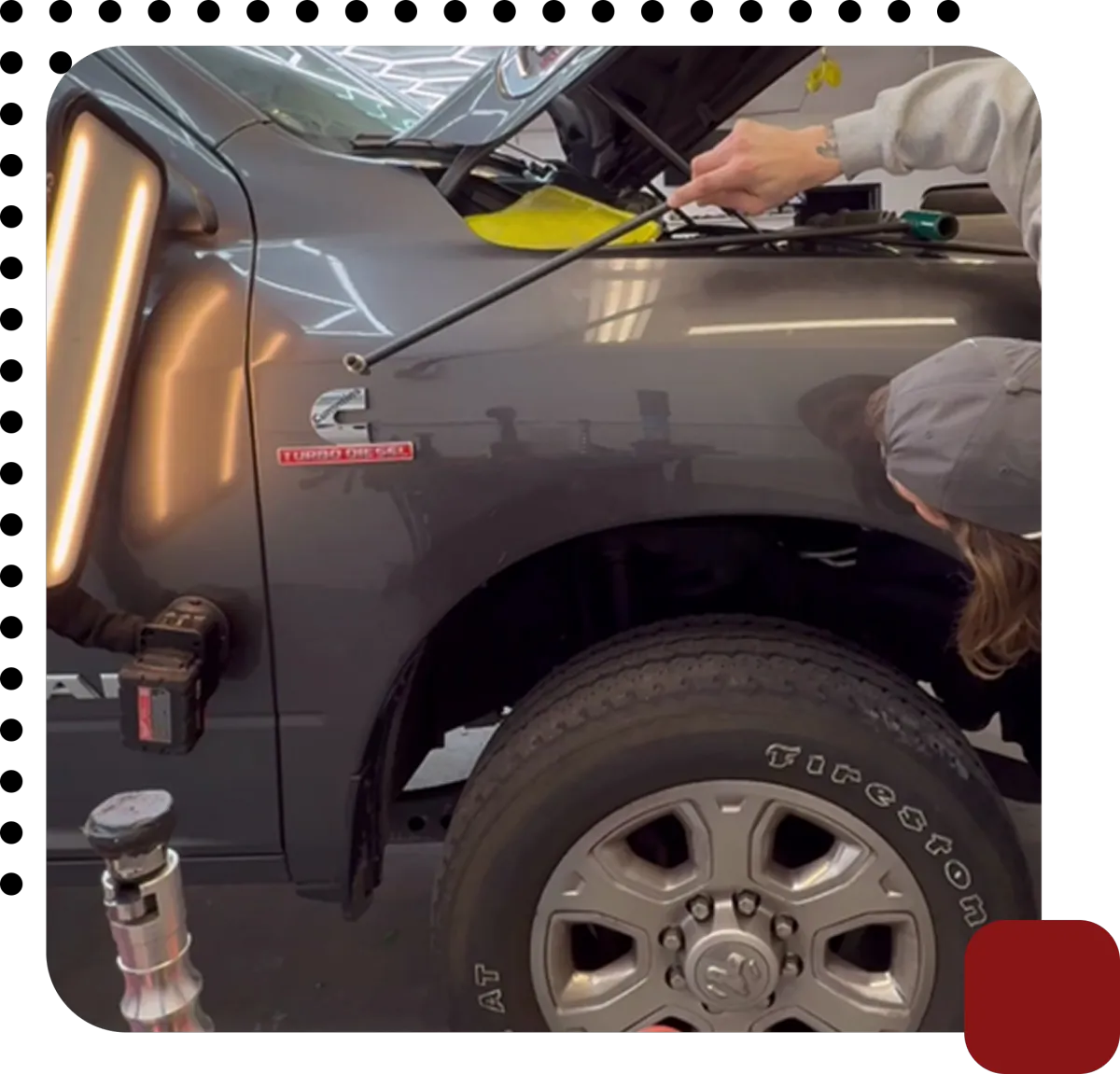
Before you choose, get the details in writing. Ask the shop to label the method: PDR, glue pull, push-to-paint, or full refinish. That one line tells you a lot about the expected time and the final look. For PDR, ask where access will come from and whether trim removal is included. For paint work, ask how far they plan to blend color and clear. These questions prevent mismatched panels and unexpected charges once work starts.
Also ask about guarantees on workmanship and what happens if extra damage is found once a liner is removed. A clean quote should separate dent repair cost from any paint materials, so you see the difference between paintless dent repair cost and a traditional refinish. If you’re comparing pdr vs body shop options, ask for photos of similar repairs, especially body line dents. The best shops explain limits, set expectations, and then deliver every time.
Choosing the Right Repair for Your Dent
Start with the goal: do you want the dent gone while keeping factory paint, or is repainting acceptable? For many drivers, PDR is the first choice because it’s dent repair without repainting and it keeps the panel original. That’s the heart of traditional dent repair vs pdr. If the paint is sound and the dent isn’t sharp, paintless dent repair vs traditional repair often favors PDR today.
Choose a body shop route when damage is beyond metal shaping alone. Cracked clear coat, torn edges, or heavy stretching usually mean a filler and repaint dent repair finish is needed. In the middle, push to paint can lower filler use and shorten the body shop dent repair process. Ask the tech to explain why PDR is or isn’t a fit, and you’ll avoid paying twice later.
To get a solid dent repair estimate, send clear photos and note how the dent happened. Ask for a time window and whether the quote is for one dent or a set. Good paintless dent repair pricing should state what’s included, like trim removal and blending. For help sorting PDR vs body shop choices, East Coast Dents can review photos and explain options before you book.
East Coast Dent Removal
Paintless Dent Repair & Large Dent Removal
Stay Up-to-date With Our Content
Subscribe to learn more about our mission!
Stay Up-to-date With Our Content
Subscribe to learn more!
Contact Info
Service Hours
Social Media
MON, TUE, THU, FRI: 9am-5pm
WED, SAT, SUN: Closed
Home
Services
Service Areas
Blog
About
Contact
Contact Info
Service Hours
MON, TUE, THU, FRI: 9am-5pm
WED, SAT, SUN: Closed
Social Media
Licensed & Insured
©2026 East Coast Dent Removal
Powered by: Customers.Plus