



Dent Repiar in Madison, CT
Dent Removal Restores Your Vehicle’s Clean Look
FSDAVCFEBFEVSDDVFSD

FSDAVCFEBFEVSDDVFSD
FSDAVCFEBFEVSDDVFSD
Why Dent Location Changes Repair Difficulty
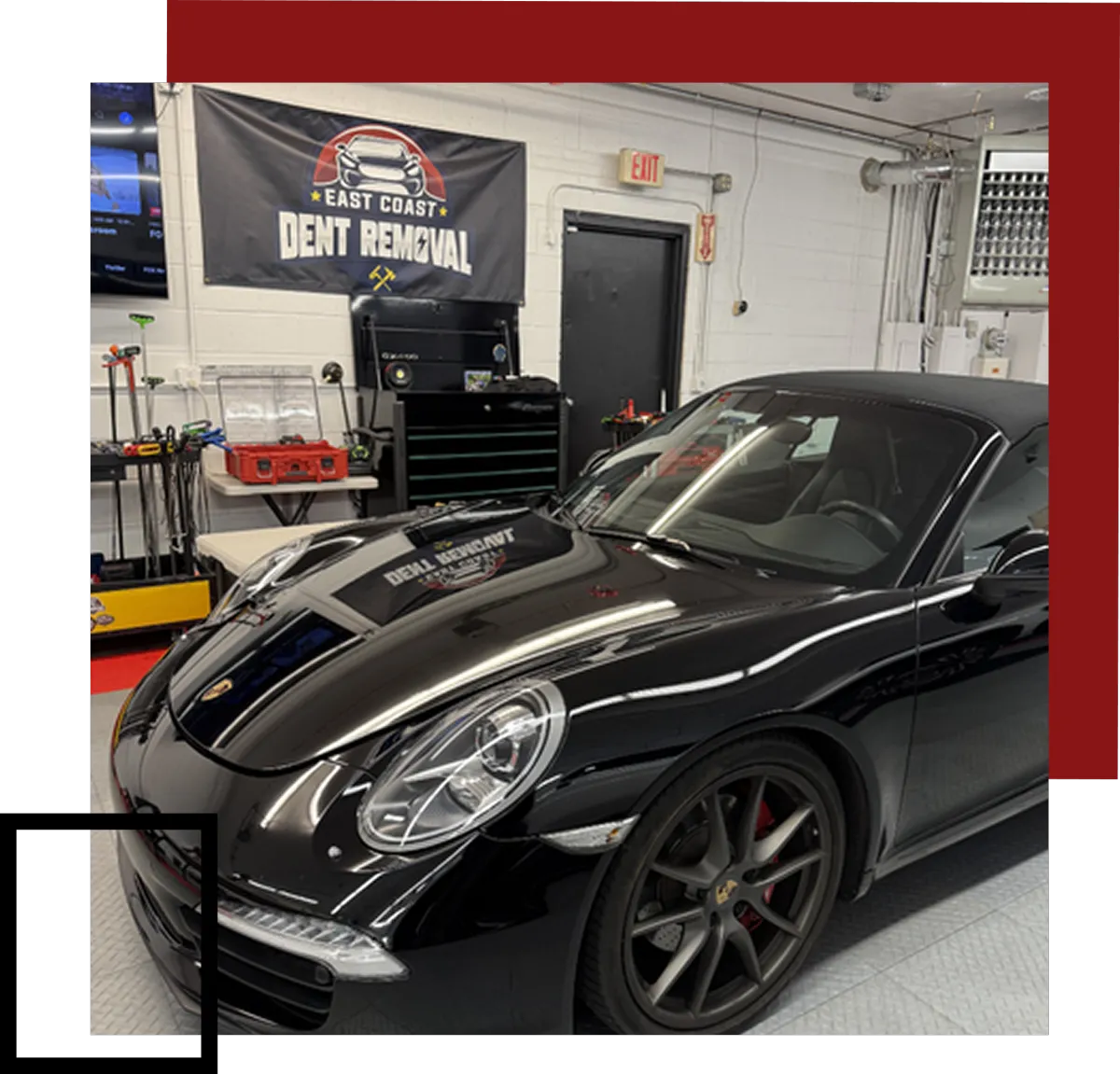
A dent in the center of a door usually has room to move back into shape. The same size dent near a body line, wheel arch, or panel edge can be harder because the metal is tighter and the curve must match.
Braces and beams behind doors and quarters also change tool angles and how clean the finish can be. What looks like one dent often includes a raised crown around it, and that crown must be relaxed so reflections look straight again. A quick check tells you if the dent is mainly a shallow low spot or if it has sharp creasing and stretch that adds time. That way the repair plan is based on placement, not guesses. This matters most on tight curves where small waves show quickly.
Knowing When PDR Is the Right Repair Choice
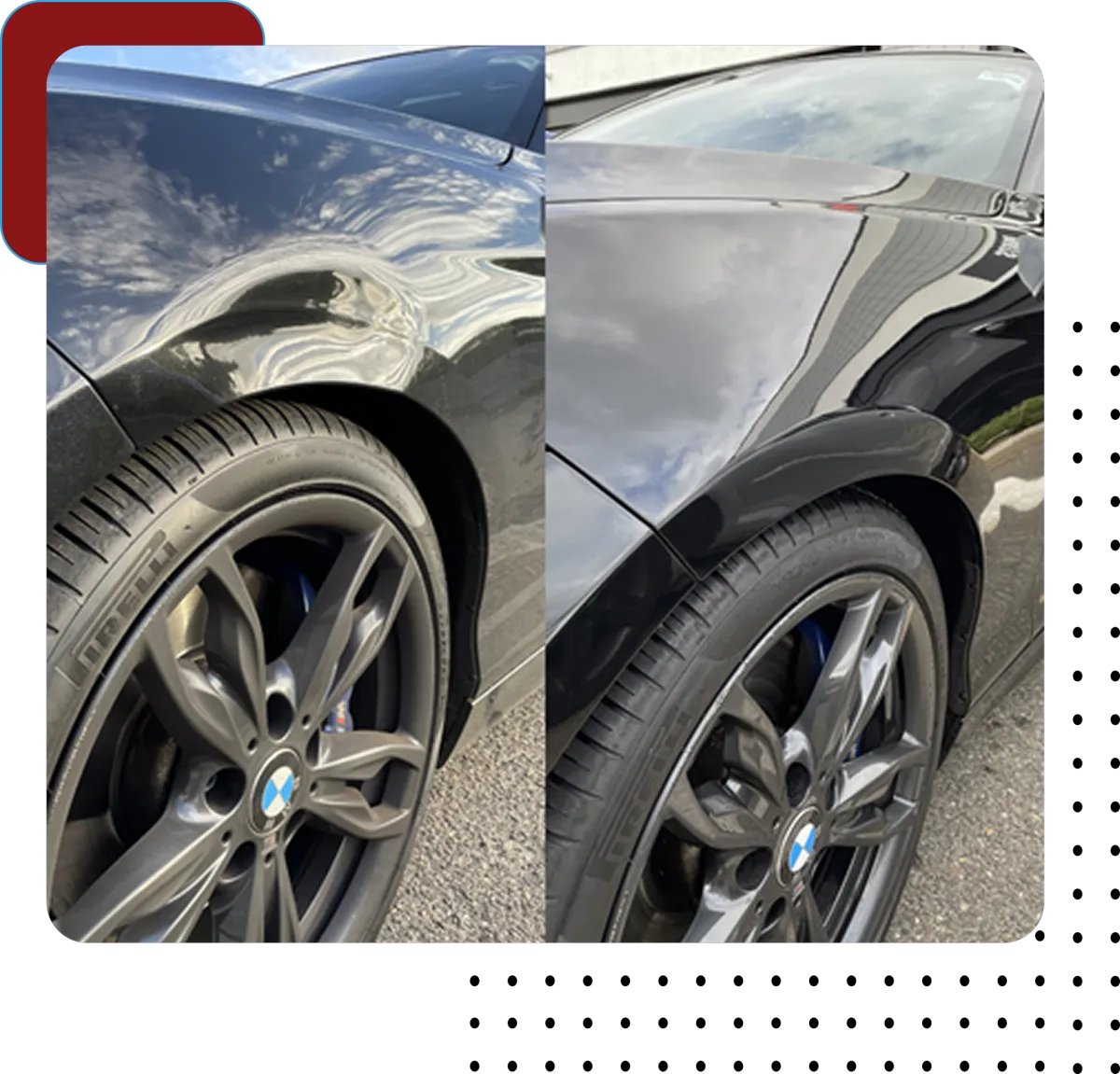
Paintless dent repair is often the right choice when the paint is intact and the metal has not been overstretched. Instead of sanding and filling, the dented area is shaped back so the original finish stays on the vehicle.
That helps avoid mismatched color, texture changes, and blend lines that can show later under bright sun. It also helps many owners keep a clean vehicle history for trade in or resale. For common damage like door dings and small dents, PDR can restore straight reflections without turning a simple repair into paint work. If paint is chipped, PDR may smooth the metal, but the finish may need touch up. An inspection confirms what the dent can do, how long it should take, and what result is realistic for you.
PDR can also work on select larger dents, but sharp creases, cracked clear coat, or heavy stretching can change the plan. Edges, body lines, and tight curves add time because the contour has to match, not just the center of the dent. The goal is not a quick cover up. The goal is a panel that looks normal in daylight and parking lot lighting, with honest expectations before any work starts.
How We Judge Paint and Metal Before Repair
Before any repair, we look for paint stress. Clear coat cracks, chips, or brittle repaint can change what paintless work can safely deliver. We also check the dent for sharp edges that concentrate force. We also look at the panel material and the area around the dent. Aluminum and modern steel can respond differently, so we choose the safest method to protect the finish.
Next we read the panel with a reflection light to map the low area and the crown around it. Crowns hold tension, so they often must be reduced first to let the dent move back smoothly. We note whether the dent crosses a body line or sits near a tight curve.
Finally we confirm access behind the dent. Door beams, window tracks, liners, and braces affect tool angles and the amount of finishing needed. We also watch for signs of stretch, since stretched metal may not return perfectly. This diagnosis sets the likely outcome and time before you schedule, so pricing and expectations match the dent.
Dents often look worse after a wash because reflections become sharper and shadows are easier to see. A panel that looks fine in shade can show a ripple at an angle in sun, especially on darker paint and long door skins.
That is why finishing standards matter. The repair is checked from multiple angles and different lighting, not just straight on. Photos can support a quick estimate, but they rarely show crowns, depth, and edge tension the way a reflection light does in person. An in shop look also confirms access and whether the dent sits near a brace or body line that needs more time. When those details are clear, you get a plan that fits your schedule and a finish that looks natural in everyday parking lots. If you prefer, bring the vehicle in clean so we can read the panel faster and confirm the best path today.
Neighborhoods In Madison
Things to Do in Madison
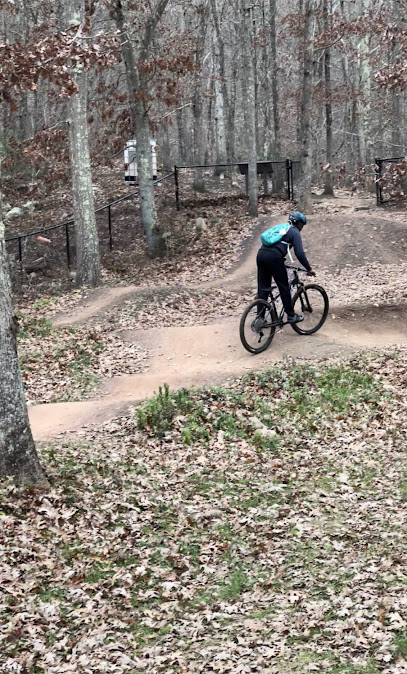
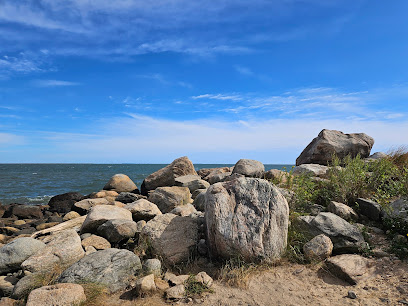
Serving Madison With Expert Dent Removal SERvices
Our shop is based in North Haven and we serve Madison drivers who want dents corrected without unnecessary repainting. The first step is a quick estimate and a clear explanation of options.
Most repairs start with checking paint condition, dent shape, and where the dent sits on the panel. That tells us whether paintless dent repair is the right call and what finish you should expect.
We work on door dings, small dents, and larger dents that still have solid paint. If the damage does not qualify, we explain why and point you to the next step. Scheduling is straightforward once the dent is inspected. You will know the method, timing, and range before work starts. The goal is a panel that looks normal in daylight, not a repair that looks good from one angle.
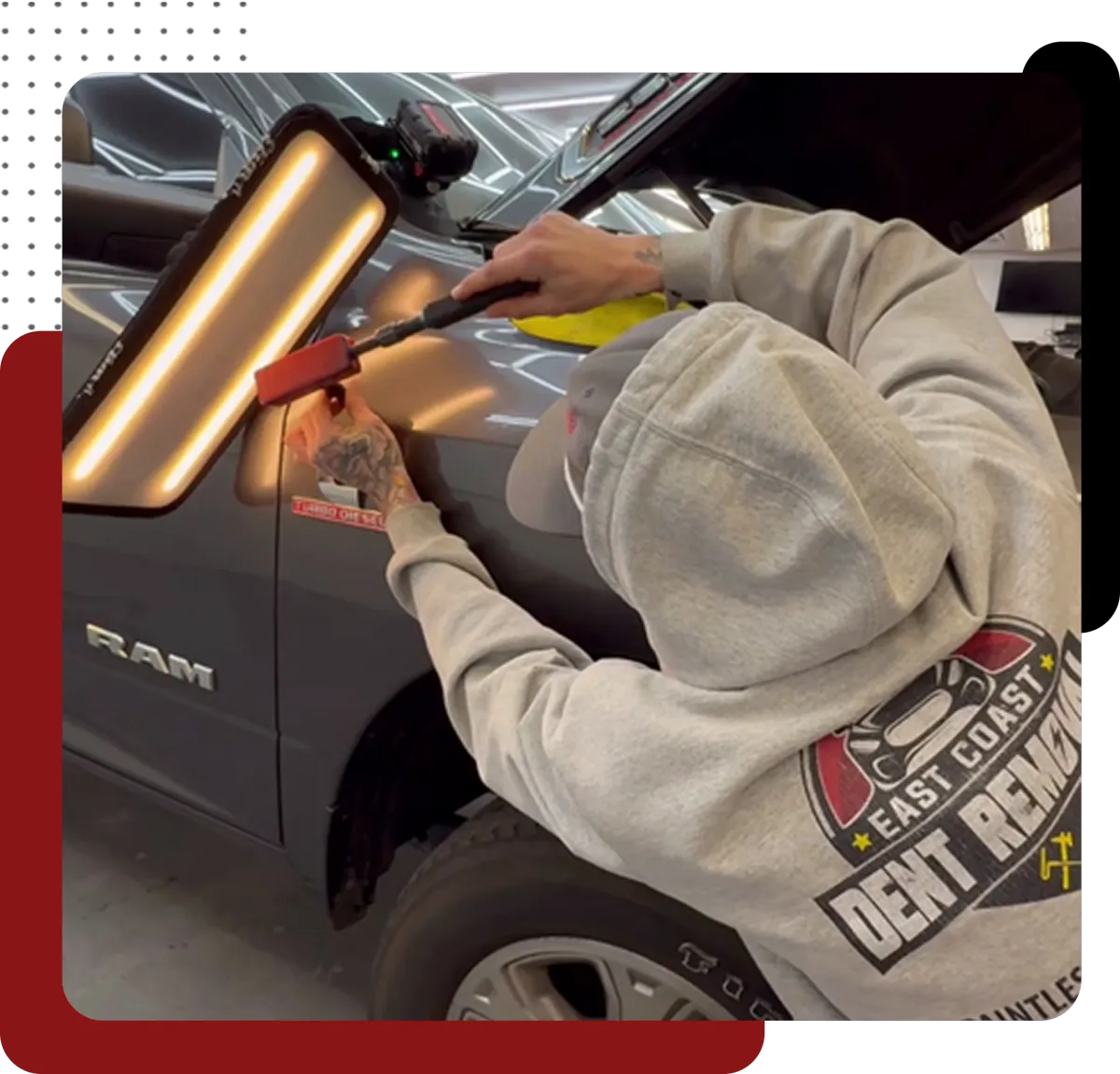
Dents on body lines, edges, and reinforced sections can take more finishing time because those areas show flaws quickly. A dent may be small, but if it sits near a brace or on a tight curve, the panel can hold tension that has to be released in steps.
Clear expectations help you decide without stress. We explain whether the dent should come out fully, whether a faint trace may remain, and why. If paintless repair is a fit, the plan avoids filler and repainting while keeping the factory surface intact. If it is not a fit, you get a straight answer and a practical next step. That honesty saves time and keeps you from paying for an approach that will not meet your goal. Photos can help start the conversation, but the in person check confirms access and the finish level. We also tell you what to watch for after.
Contact East Coast Dent Removal for an Estimate
If you want an estimate you can trust, start with a quick review of the dent and the paint. We base pricing on where the dent sits, how deep it is, and how much access work is needed, not on a generic chart. That keeps quotes consistent and helps you compare options without being surprised when the vehicle is inspected.
During the inspection, we check for paint cracking, sharp creases, crowns, and metal stretch. We also confirm access behind the panel so the finish can be shaped back without leaving high spots or waves. You will hear what result is realistic and what the panel should look like in normal daylight.
To get started, send a few photos taken in good light and note which panel is affected. We will reply with next steps and a starting range, then confirm details in person. Whether it is a door ding, a shallow crease, or a larger dent that still qualifies for paintless repair, the goal is a smooth panel that does not catch your eye. Contact East Coast Dent Removal for an estimate and book when you are ready. You will know cost, timing, and expected finish before any work begins.
Contact Info
Service Hours
Social Media
MON, TUE, THU, FRI: 9am-5pm
WED, SAT, SUN: Closed
Home
Services
Service Areas
Blog
About
Contact
Contact Info
Service Hours
MON, TUE, THU, FRI: 9am-5pm
WED, SAT, SUN: Closed
Social Media
Licensed & Insured
©2026 East Coast Dent Removal
Powered by: Customers.Plus