



Branford, CT
Professional Paintless Dent Repair Serving Branford
Professional Paintless Dent Repair
FSDAVCFEBFEVSDDVFSD

FSDAVCFEBFEVSDDVFSD

FSDAVCFEBFEVSDDVFSD
Dents That Stand Out In Everyday Lighting Conditions
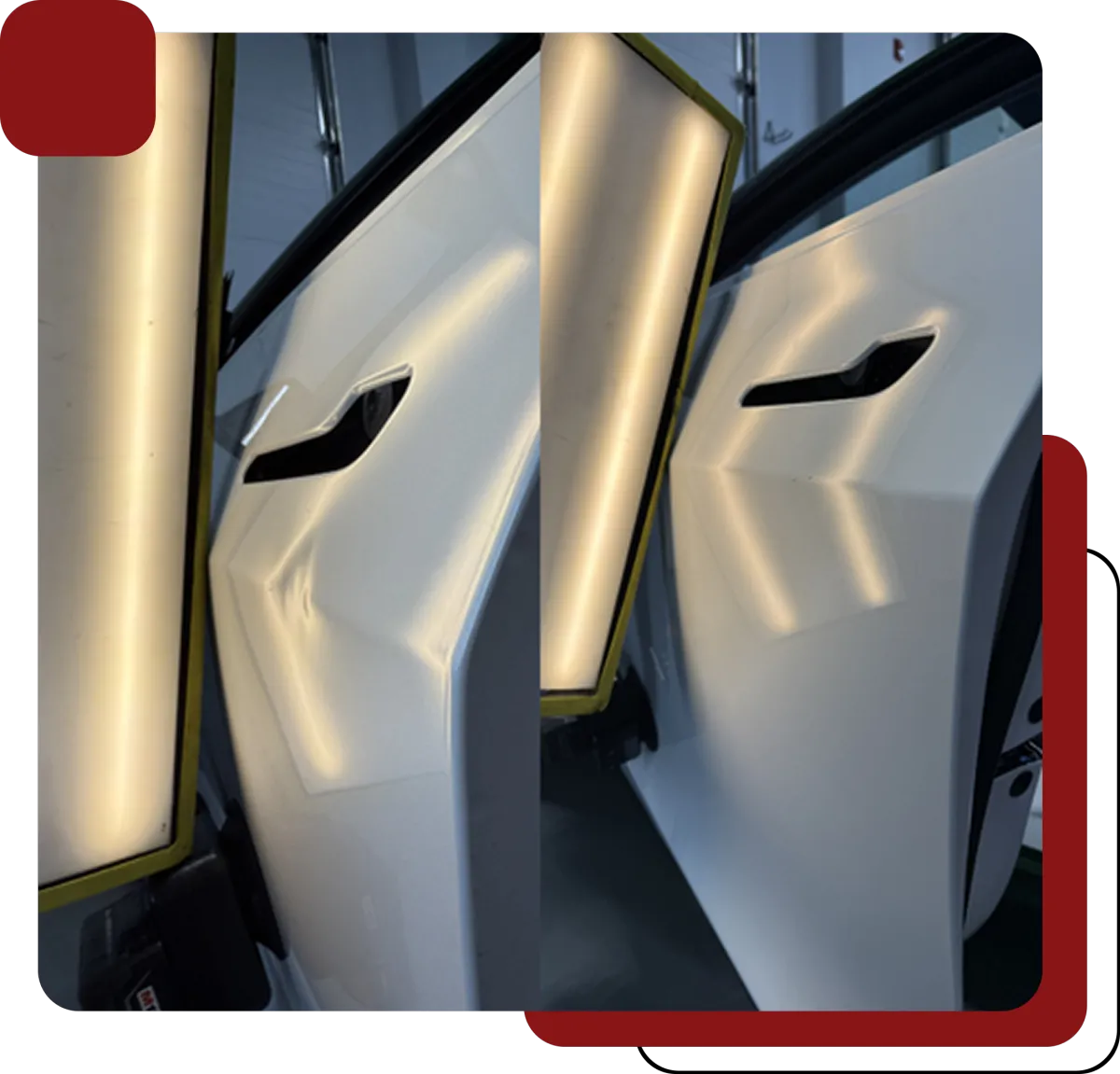
Some dents barely feel like damage until the light hits just right. On darker paint and broad door panels, a small ding can bend reflections and make the panel look wavy. Shadows along a body line can draw your eye even more than the dent itself, especially on doors and fenders. It can make an otherwise clean car look neglected quickly.
Drivers in Branford often notice it after a wash, at a gas station, or under parking lot lights. The first check is simple: look for intact paint and a dent that is rounded instead of sharply folded. Those details help predict whether paintless dent repair can restore the shape without filler or repainting. A quick evaluation also sets realistic expectations for finish quality, time, and price before you commit.
Why Paintless Repair Beats Filler For Many Dents
Paintless dent repair reshapes the metal while the factory finish stays in place. When paint is unbroken, the work focuses on restoring the panel instead of covering it with body filler. Traditional repairs often involve sanding, filler, primer, and new paint, which can change texture and color under certain light.
That difference matters when you care about keeping the car original. Repainted areas can be hard to match perfectly, and blend lines may show later. With PDR, there is no drying time and no need to blend into nearby panels, so the surface can look consistent across the door, fender, or quarter panel.
PDR is often a good choice for door dings, shallow dents, and some larger dents that have not stretched the metal too far. Sharp creases, chipped paint, or dents on tight edges can limit what paintless work can do. An estimate is meant to pick the method that fits the damage and the finish you want, not force a one size plan. Keeping original paint can help at trade in time because buyers watch for repaint signs. If paint is cracked or the panel is badly stretched, we will say so and explain options before any work.
What Your Estimate Tells You Before Scheduling
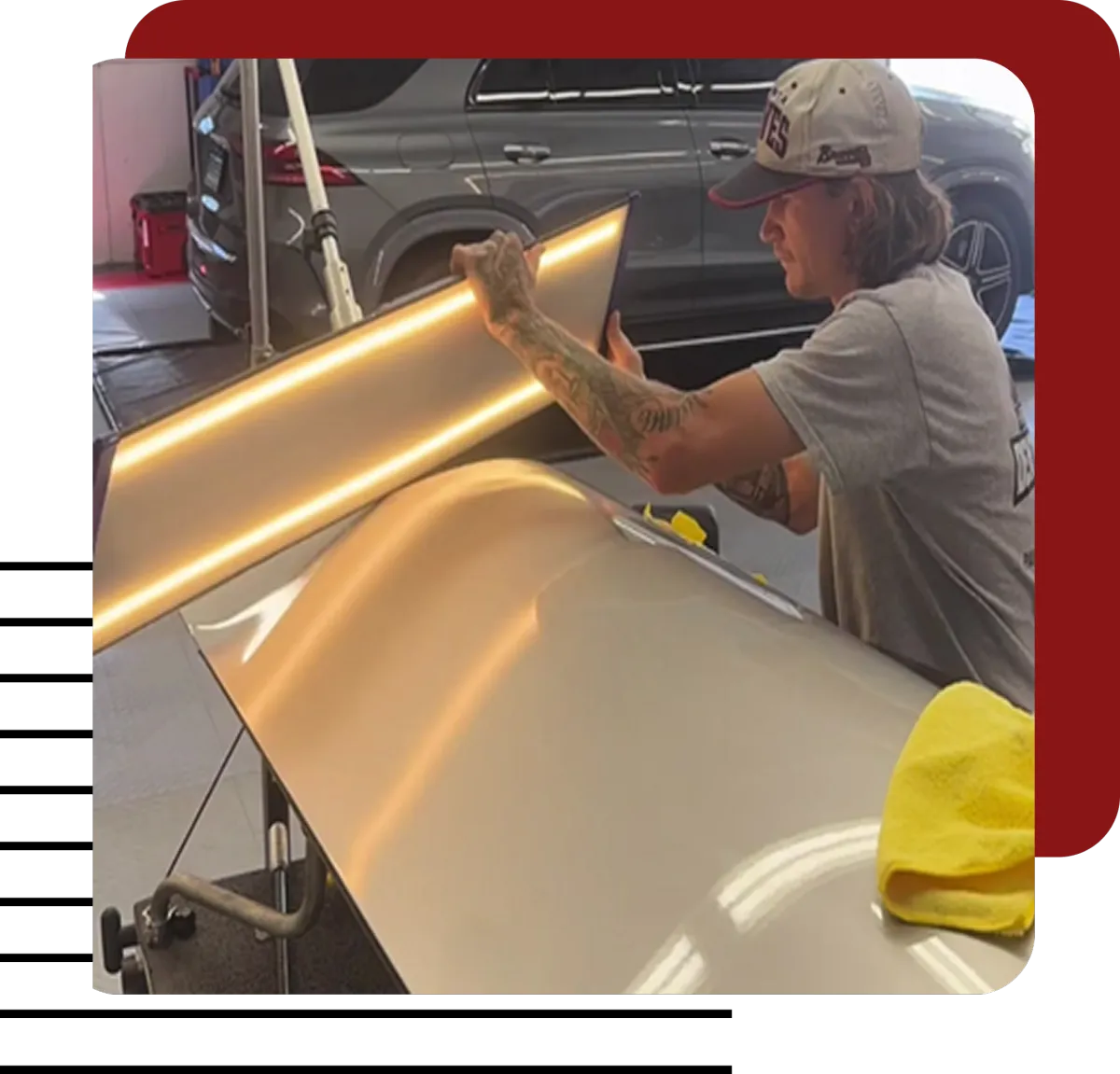
A good estimate starts by looking at the paint and the dent shape under proper lighting. We check for cracking, chips, or stress lines, then measure depth and read the dent edges for crowns and tight creases.
Next we confirm access behind the panel. Some dents require moving a liner or interior trim so tools can reach the metal at the right angle. That access check also helps predict how clean the finish can be on body lines, near edges, and around braces.
After the inspection, you get a clear recommendation. We tell you whether paintless repair should remove the dent fully, whether it should be improved to a level that looks normal, or whether another repair path makes more sense. You also get a realistic time window and a price range before scheduling. If you bring photos, we can usually give a starting range, but the in person check is what confirms the plan. The point is clarity with no pressure, so you can decide with confidence.
Two dents can look similar from a few feet away and still take very different time to repair. A shallow dent in an open section may move quickly, while a dent near a brace or a tight curve can need extra finishing to avoid waves in the reflection.
Body lines add another layer because the line has to look straight, not soft or distorted. Metal stretch is often the hidden factor that changes results and price, especially on sharp hits. Photos help us start the conversation, but an in person look confirms paint condition and access, which is what matters most. Once we see it, you get a straight answer on what the panel should look like after repair and what the next step is. That prevents surprises, keeps the plan simple, and helps you choose repair based on the finish you want, not guesswork, and the time you have.
Neighborhoods In BRANFORD
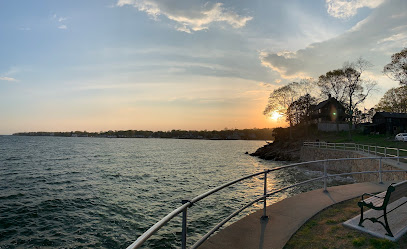
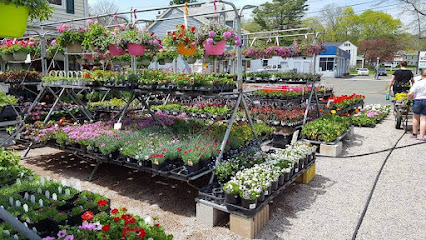
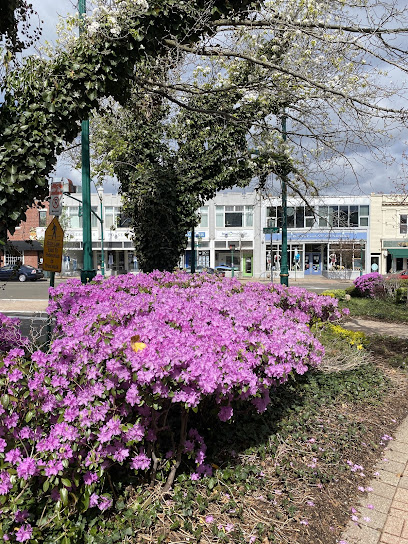
Things to Do in BRANFORD
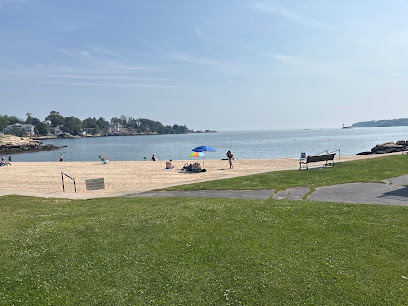
Top Sites In BRANFORD

Serving Branford From Our North Haven PDR Shop
Our shop is in North Haven, and we serve drivers from Branford who want dent repair that keeps factory paint when the dent qualifies for PDR. This is a practical option when you want clean panel lines without filler and repainting.
Getting started is simple. Send photos for a starting range, then come in for a quick inspection so we can confirm paint condition, access, and the result you should expect. You will know the plan before you book anything. Most inspections take only a few minutes in person.
We work on door dings, small dents, and larger dents that still have solid paint. If the damage does not fit paintless repair, we will explain why and point you to the right next step. The goal is a panel that looks normal in everyday light.
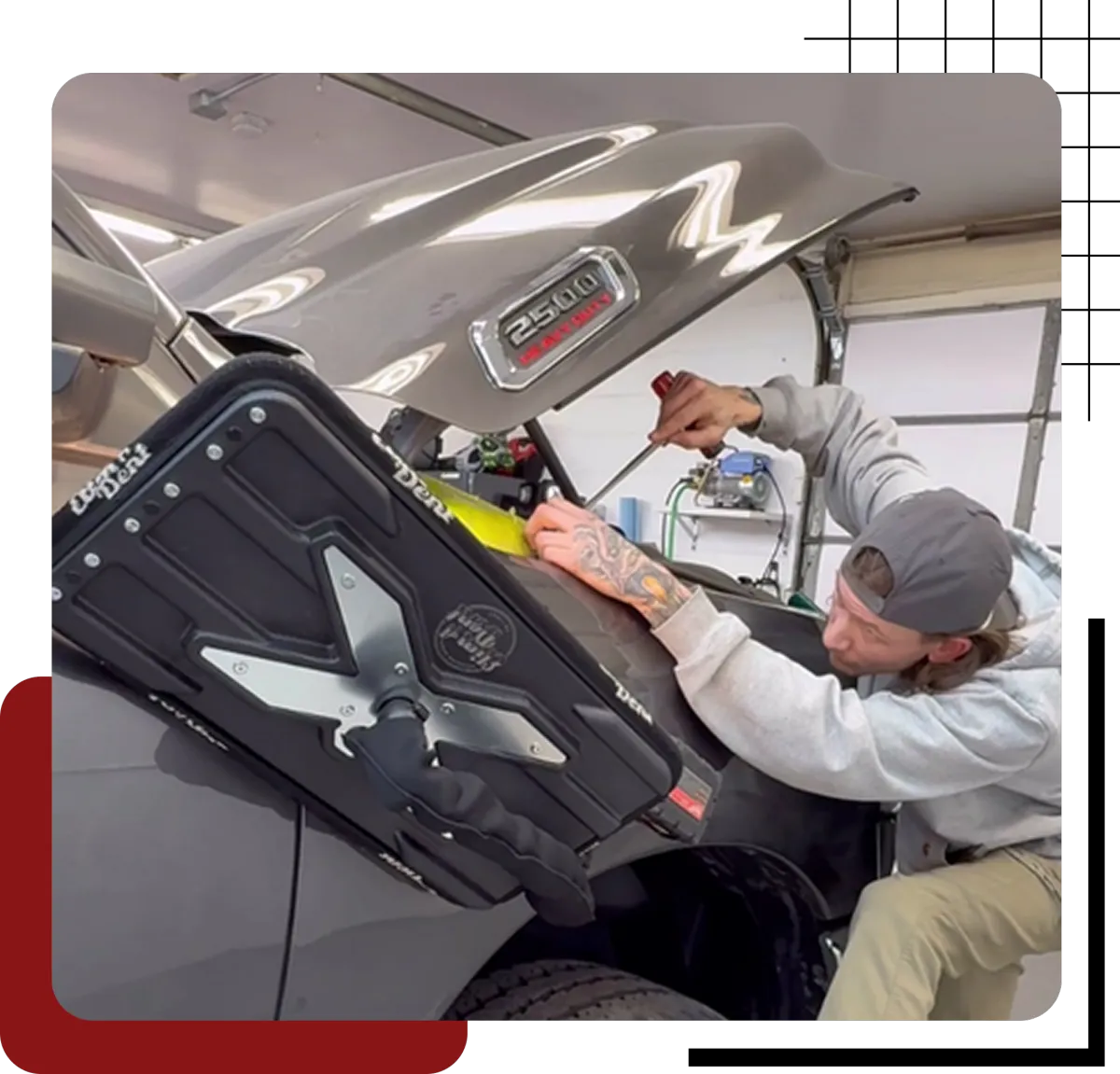
Many drivers prefer a specialist because the finish matters more than a fast patch. Straight reflections, clean body lines, and a surface that looks even in sun and shade take patience and proper lighting.
Clear expectations also matter with dents on edges, braces, and body lines. Those areas can take more time, and some sharp hits may not finish perfectly if the metal is stretched. We explain what is realistic before work starts, then focus on the best result the panel will allow.
That approach helps avoid unnecessary filler or repainting when paintless repair is a fit. It also helps you decide whether to fix one dent now or group several repairs at once. If you are comparing quotes, ask what result you should expect in normal light, not just the price. A careful estimate explains the method, the time, and any limits. That keeps the decision simple for you.
Request a Dent Repair Quote With Clear Pricing
If you are ready to fix a dent, start with a quote that comes with clear expectations. We focus on paintless dent repair when the paint is intact, so the panel keeps its original finish and the repair looks natural.
During the estimate, we review paint condition, dent depth, and where the damage sits on the panel. We also confirm access behind the area and explain how that affects time and finish quality. You will know whether the dent should be removed fully, improved to a clean look, or handled with a different repair method.
To get started, send a few photos in good light and include where the dent sits on the vehicle. We will reply with next steps and a starting range, then confirm everything in person. Whether it is a door ding, a crease, or a larger dent that still qualifies, the goal is simple: a smooth panel that does not catch your eye. If you are comparing repair options, ask about the finish in sunlight, not just speed. We will tell you what the panel can realistically look like and what it will cost before you commit. East Coast Dent Removal keeps the process simple today.
Contact Info
Service Hours
Social Media
MON, TUE, THU, FRI: 9am-5pm
WED, SAT, SUN: Closed
Home
Services
Service Areas
Blog
About
Contact
Contact Info
Service Hours
MON, TUE, THU, FRI: 9am-5pm
WED, SAT, SUN: Closed
Social Media
Licensed & Insured
©2026 East Coast Dent Removal
Powered by: Customers.Plus