



New Haven, CT
Dent Repair New Haven That Avoids Filler Paint
FSDAVCFEBFEVSDDVFSD

FSDAVCFEBFEVSDDVFSD

FSDAVCFEBFEVSDDVFSD
The Most Noticeable Dents Found on Daily Drivers
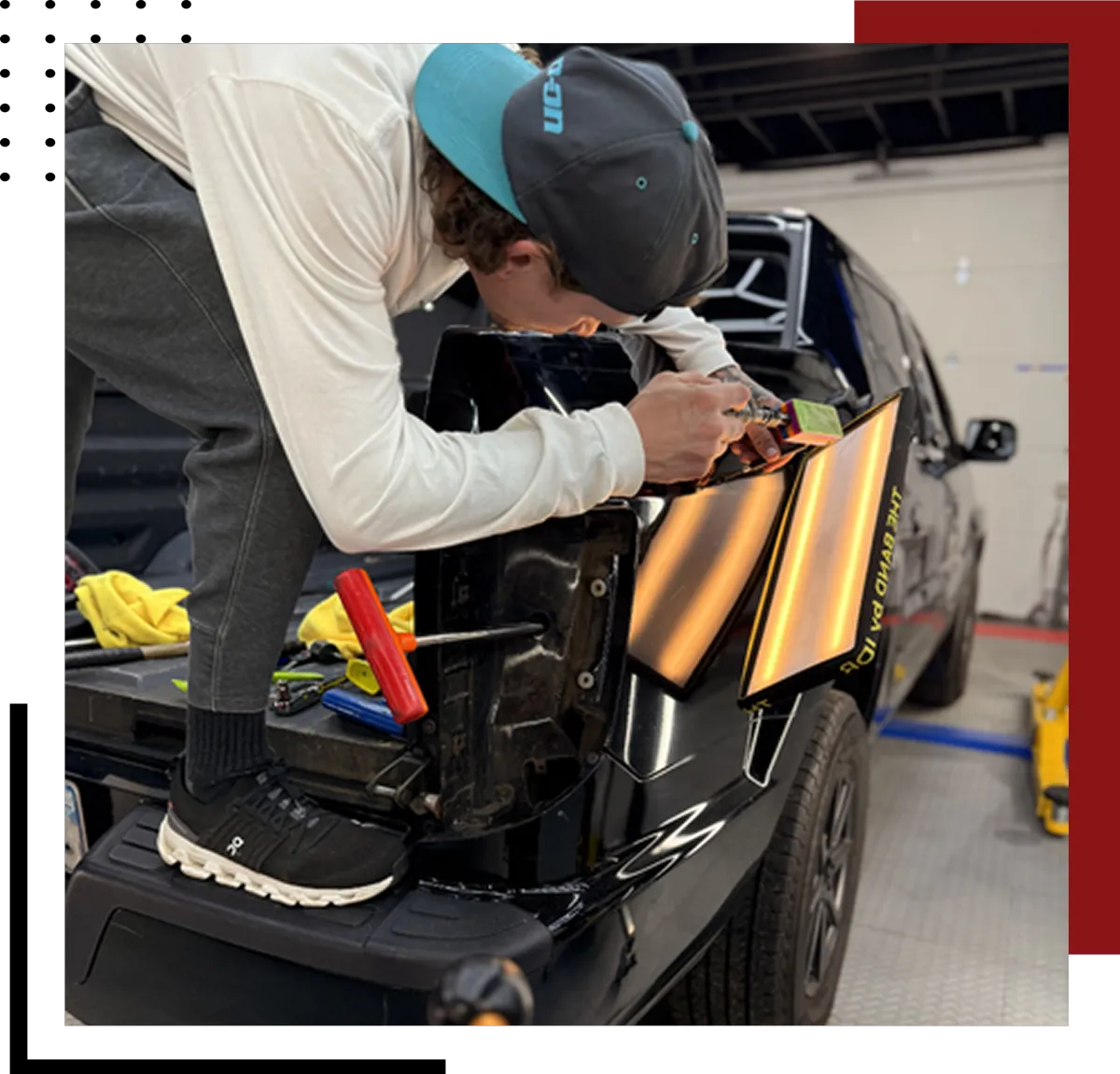
Dents often look worse than they feel, especially on darker paint or wide, flat panels. A small ding can bend reflections and make a door or fender look wavy in sunlight, under streetlights, or in a parking garage where glare hits at an angle.
Most people notice the distortion first, not the dent itself. The best first step is checking whether the paint is intact and whether the dent is rounded or sharply creased. Those details strongly affect whether paintless dent repair can restore clean panel lines without filler or repainting. If you want your car to look consistent again, start with an evaluation before choosing any repair path. That quick check also helps set expectations for cost and timing, instead of guessing from photos or generic online estimates.
What Damage Can Paintless Dent Repair Fix Today
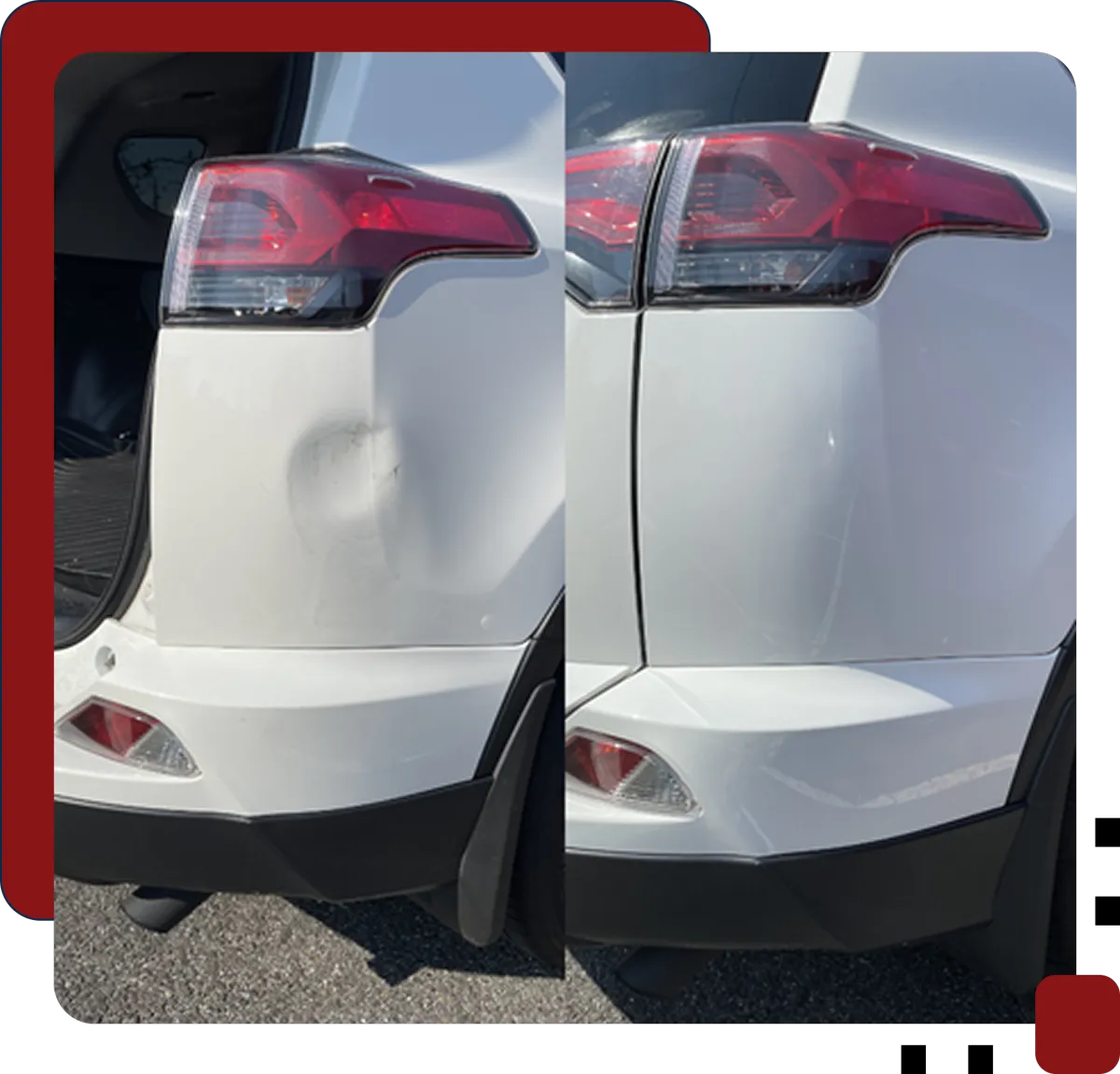
Many common dents can qualify for paintless dent removal when the paint has not cracked. Typical examples include door dings, shallow impressions on doors, soft dents on fenders, and minor creases caused by a light bump. Some larger dents can also qualify when the panel has not been overstretched and the impact did not break the finish.
PDR is not a cover up. The goal is to return the metal to its original contour so the surface reads smooth under real lighting. Because there is no filler and no repainting, the factory finish stays in place, which helps avoid color or texture differences across the panel. That matters for resale, leases, and trade ins where original paint history is important.
Not every dent is a PDR candidate. Sharp creases, stretched metal, or chipped paint can change the plan, and some areas are harder due to bracing or tight edges behind the panel. A quick inspection is the fastest way to confirm whether paintless repair is the right option or if another repair path will produce a better final result. Qualification is about the finish in daylight, not just whether tools can reach the dent.
How We Confirm a Dent Qualifies for PDR
To decide if a dent qualifies for PDR, we start with the paint. If the clear coat is broken or color is chipped, paintless work may not deliver the finish you expect. We also look at dent depth, size, and whether the center is sharp or soft. Prior body work or thicker repainted areas can affect how the metal responds during correction.
Next we read the dent for crowns and tension. A raised edge around the dent, a tight crease, or a dent that crosses a body line can change the strategy and the time needed for clean refinement. Metal stretch is a key factor, since stretched panels may not return fully to shape. We check this before tools touch the panel.
Access behind the panel matters too. Doors, quarter panels, and fenders can have bracing that limits tool angles, and dents near edges can be harder to finish without leaving waves. Qualification is about outcome, meaning smooth reflections and correct panel shape in real light, not just reaching the dent.
Vehicle design plays a big role in how a dent is corrected. Modern doors often have heavy bracing, thicker body lines, and tighter access points that require a careful approach and more finishing time. Some panels also include reinforcement that limits where tools can sit and how pressure can be applied.
That is why two dents of the same size can repair very differently. A shallow dent on an open section may clean up fast, while a similar dent near a brace or edge can take longer to remove without leaving texture changes. Proper qualification protects you from paying for a method that will not meet expectations, and it helps choose the best option upfront. The goal stays the same: restore the panel so it does not draw attention in daylight or under streetlights. We explain tradeoffs before scheduling any repair.
Neighborhoods In New Haven, CT


Things to Do in New Haven, CT


Serving New Haven With PDR From North Haven
Our shop is based in North Haven and we serve drivers from the New Haven area who want a clean repair without unnecessary repainting when the paint is intact. Many customers come from work, school, and daily errands and want a nearby option that keeps the original finish whenever possible.
Getting started is straightforward. Request an estimate, get a clear answer on repair options, then schedule a time that fits your week. You will know what result to expect before committing, including what factors could limit a perfect finish, like tight creases, body lines, or reinforced zones.
When PDR qualifies, the repair keeps the original finish and restores clean lines without filler or repainting. For many dents, this avoids the concerns that come with sanding and paint blending, and it helps the vehicle look consistent again in real-world lighting.
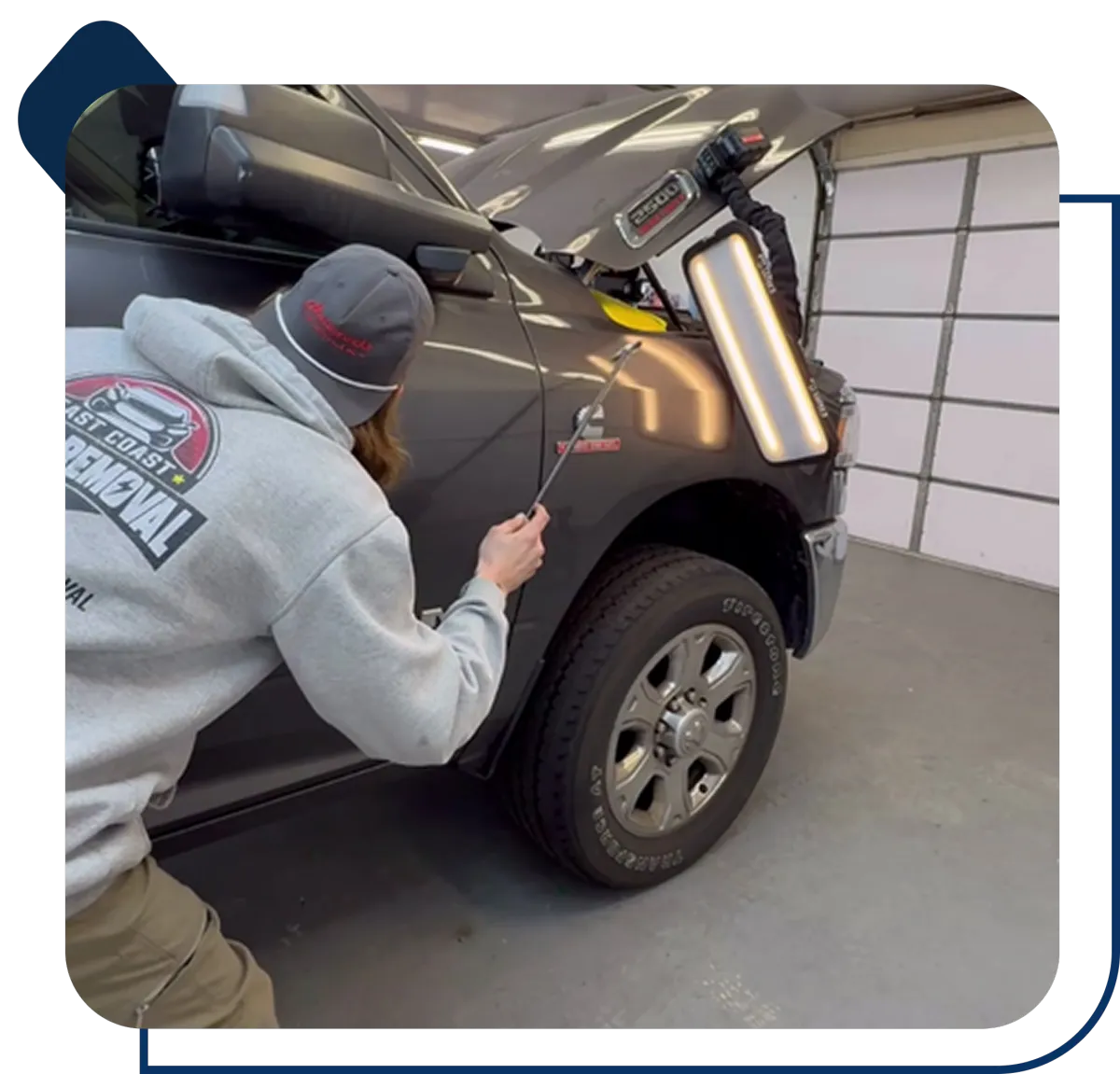
Many people juggle tight schedules and do not want uncertainty around repairs. A clear evaluation helps you plan around work or classes because you know whether paintless repair is the right fit and what the timeline should look like.
This approach also prevents guesswork. Instead of chasing different opinions, you get a direct explanation of the expected outcome, what limits exist near edges or body lines, and whether the dent should be fully removed or only improved. If the paint is intact and the metal has not stretched, paintless repair can restore the panel so reflections look straight again. If it does not qualify, you still leave with the best option for your car and a realistic next step. That kind of clarity matters when you care about resale and want the finish to look original again.
Request a Paintless Dent Repair Estimate Today Now
If you are ready to fix a dent, start with an estimate and a clear plan. East Coast Dent Removal is located in North Haven and serves nearby drivers who want paintless options first when the paint is intact. We focus on returning metal to shape without filler or repainting when the dent qualifies.
During the evaluation, we confirm whether the damage is a good fit for PDR by checking paint condition, dent shape, and panel access. You will get a straightforward explanation of what can be fully restored, what may only be improved, and what repair path makes sense if paint is damaged. We also outline typical timing so you can plan your schedule.
When paintless repair qualifies, the goal is not to make the damage less noticeable. The goal is to restore the panel so it does not catch your eye under everyday lighting. For door dings, minor dents, and many other hits, this approach can keep the original finish and keep the vehicle looking consistent. Request an estimate to confirm the best option and get clear pricing before you schedule.
Contact Info
Service Hours
Social Media
MON, TUE, THU, FRI: 9am-5pm
WED, SAT, SUN: Closed
Home
Services
Service Areas
Blog
About
Contact
Contact Info
Service Hours
MON, TUE, THU, FRI: 9am-5pm
WED, SAT, SUN: Closed
Social Media
Licensed & Insured
©2026 East Coast Dent Removal
Powered by: Customers.Plus